
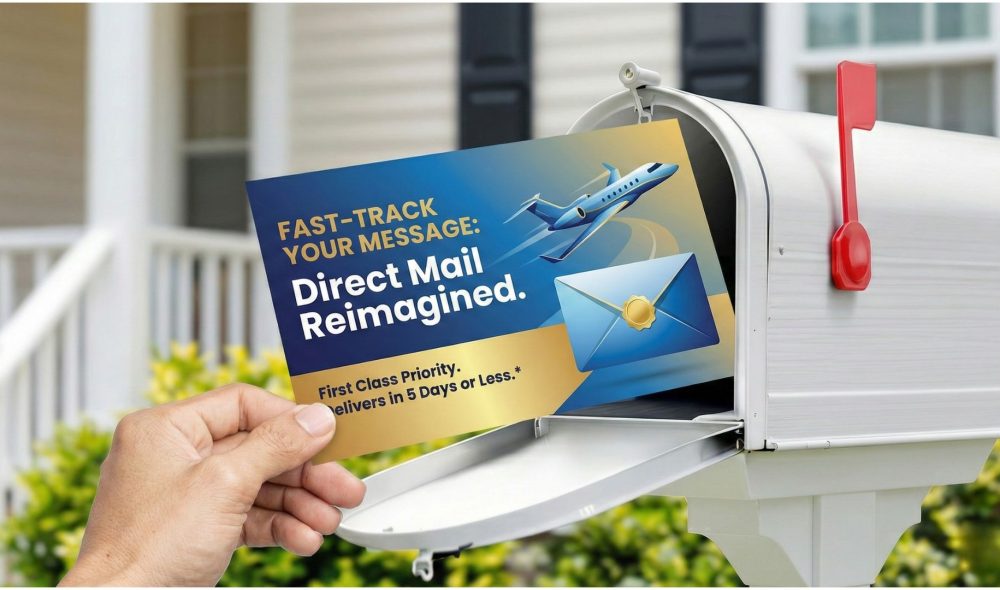
I still remember the first time I saw a business owner doubt printed mail. He was staring at a stack of postcards like they were fossils. “Who even reads this stuff anymore?” he asked. Honestly, I used to think the same. Emails felt faster. Social ads felt cheaper. But over time, working with real campaigns and watching actual results roll in, my view changed completely. Direct Mail Printing isn’t some outdated marketing relic. It’s quietly doing its job, and in many cases, doing it better than digital.
In real life, marketing isn’t about chasing shiny trends. It’s about what actually gets attention when people are tired, distracted, and scrolling too fast. That’s where physical mail does something different. It pauses people. Even for a second. And that second matters more than we like to admit.
The digital noise is real, and people feel it
Let’s be real for a moment. Your inbox is probably a mess. Promotions, notifications, newsletters you forgot you signed up for. Most emails don’t even get opened. They just sit there, ignored, or worse, deleted without a glance.
Printed mail doesn’t compete in that same noisy space. When a well-designed piece lands in someone’s mailbox, it feels more intentional. More personal. From my experience, people still flip through their mail at least once a day. They might complain about it, but they still look.
That’s one reason Direct Mail Printing keeps showing up in marketing plans, even now.
Physical mail feels more trustworthy (even if people don’t say it)
This part is interesting, and I noticed it after years of watching customer behavior. People don’t always say Direct Mail Printing is out loud, but printed material feels more “real” than digital ads.
Think about it. Anyone can run a Facebook ad. Anyone can send a mass email. But when a business invests in printing, paper quality, design, postage… it signals effort. Commitment. Stability.
I’ve seen small local businesses get more calls from one mail campaign than months of online ads. Not because the offer was magical, but because the piece felt solid in someone’s hands.
Why local businesses still rely on printed mail
Big brands can afford massive digital campaigns. Local businesses can’t always play that game. That’s where targeted mail shines.
You can:
- Choose specific neighborhoods
- Control exactly who receives your message
- Time your campaign around seasons or local events
For example, Direct Mail Printing in las vegas works especially well because the city has constant movement. New residents. New businesses. People actually pay attention to local offers because everything changes so fast here.
When mail is relevant, it doesn’t feel like spam. It feels useful.
It sticks around longer than a click
Here’s something digital marketers don’t love to admit. A printed piece doesn’t disappear when someone scrolls.
I’ve watched postcards sit on kitchen counters for days. Flyers get pinned to fridge doors. Brochures end up in desk drawers. That’s ongoing exposure without paying for every impression.
A digital ad? Gone in seconds.
This is one of the reasons Direct Mail Printing continues to make sense, especially for service-based businesses. The message lingers, even when the person isn’t ready to buy yet.
Personalization isn’t just a digital thing
People talk about personalization like it belongs only to email or social media. That’s not true.
Modern print allows for:
- Variable data printing
- Personalized names and offers
- Location-based messaging
When someone sees their name printed, not merged into an email subject line, it hits differently. It feels deliberate. I’ve personally seen response rates jump just by adding simple personalization elements.
That’s the quiet power of Direct Mail Printing when it’s done right.
Read more : Direct Mail Printing: Transforming Your Marketing Campaigns
Printing quality matters more than people think
This might sound obvious, but cheap printing can kill a campaign before it starts. Thin paper, dull colors, poor alignment… people notice, even if they don’t consciously think about it.
Working with a reliable las vegas printing service changes everything. Color accuracy. Paper weight. Finishing touches. All those small details add up to credibility.
From my experience, when businesses upgrade print quality, response rates usually follow. Not instantly. But consistently.
It works surprisingly well with digital marketing
Here’s where things get interesting. Direct mail doesn’t have to compete with digital. It can support it.
I’ve seen campaigns where:
- Mail drives people to a landing page
- QR codes lead to special offers
- Printed coupons boost online conversions
When people receive something physical and then see the brand online later, recognition kicks in faster. That familiarity builds trust.
This hybrid approach is one reason Direct Mail Printing hasn’t faded away. It adapted instead.
Real numbers, not vanity metrics
Clicks and impressions look nice on reports, but they don’t always translate to sales. Mail response tracking is often clearer.
You know:
- How many pieces were sent
- How many responses came back
- What the actual cost per lead was
I’ve worked on campaigns where the ROI from mail was easier to explain to business owners than digital stats. Fewer buzzwords. More clarity.
That’s refreshing, honestly.
Why certain cities still see strong mail results
Location plays a bigger role than people think. In busy cities, targeted mail stands out more because people are bombarded online all day.
Direct Mail Printing in las vegas benefits from this exact situation. Tourism, real estate, events, and local services all rely on visibility. Printed mail helps cut through the constant digital blur.
Pair that with a dependable las vegas printing service, and suddenly mail isn’t old-school. It’s strategic.
When direct mail doesn’t work (yes, that happens)
Let’s not pretend it’s perfect. Direct mail fails when:
- The message is generic
- The design feels outdated
- The targeting is lazy
I’ve seen businesses blame mail when the real problem was effort. Printing isn’t magic. It’s a tool. And like any tool, it needs thought behind it.
Still, when campaigns fail, it’s usually execution, not the medium itself.
FAQs
1. Is direct mail expensive compared to digital ads?
Not always. When you factor in quality leads and long-term exposure, mail can be surprisingly cost-effective.
2. Does anyone under 40 even look at mail?
Yes. Especially when it’s relevant or well-designed. Curiosity doesn’t disappear with age.
3. How often should a business send mail?
From my experience, consistency matters more than frequency. Monthly or quarterly works better than one random drop.
4. Can small businesses really afford it?
Absolutely, if targeting is tight and goals are clear. Waste is what makes it expensive.
5. Should mail be glossy or simple?
Depends on the brand. Some audiences respond better to clean, minimal designs.
6. Does direct mail help brand recognition?
Over time, yes. Repetition in physical form builds familiarity faster than most expect.
Conclusion
Marketing trends will keep changing. Platforms will rise and fall. Algorithms will keep shifting. But people? People still respond to things that feel real.
That’s why Direct Mail Printing continues to hold its ground. It’s tangible. It’s deliberate. And when done with care, it works quietly in the background, building trust while everyone else is chasing clicks.
Maybe it’s not flashy. Maybe it doesn’t feel “modern.” But in a world drowning in digital noise, a well-crafted piece of mail can feel like a breath of fresh air. And sometimes, that’s exactly what a business needs.