
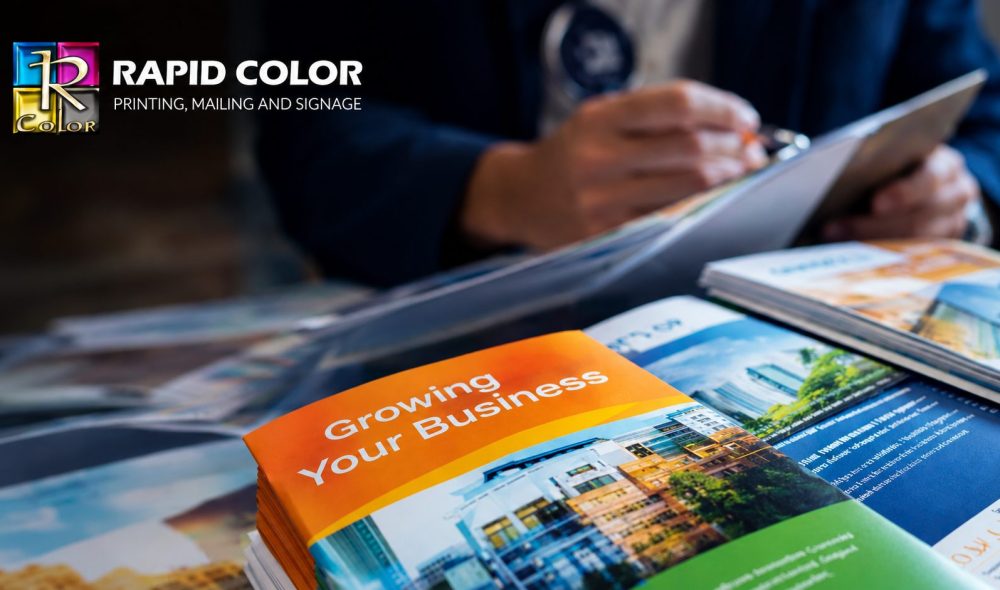
Brochure printing remains one of the most reliable and impactful tools in modern marketing, even as digital platforms continue to evolve. In 2026, businesses are no longer choosing between digital and print; instead, they are integrating both to create a seamless and effective marketing ecosystem. Printed materials offer a level of credibility, focus, and tangibility that digital channels often struggle to replicate. When a potential customer holds a professionally designed brochure, the interaction becomes more personal and memorable.
This form of marketing is particularly valuable in environments where direct communication plays a key role, such as trade shows, retail stores, corporate meetings, and networking events. A well-crafted brochure not only delivers information but also reinforces brand identity and communicates professionalism. Unlike digital ads that can be skipped or ignored, brochures demand attention and provide a controlled space for delivering key messages. For this reason, brochure printing continues to be a preferred choice for businesses aiming to create lasting impressions and influence decision-making.
The Strategic Role of Brochure Printing in 2026 Marketing
In today’s competitive business landscape, brochure printing serves as a strategic asset that complements digital marketing efforts. It allows businesses to present detailed information in a structured and visually appealing format, making it easier for potential customers to understand products and services. This is especially important in industries where complex information needs to be communicated clearly and effectively.
One of the key advantages of brochures is their ability to act as a physical reminder of a brand. While digital content can disappear with a single click, a brochure remains accessible and can be revisited multiple times. This increases the chances of conversion, as customers often make decisions after reviewing information more than once. Additionally, brochures provide an opportunity to create a strong first impression, which is critical in competitive markets.
Businesses that leverage brochure printing effectively often see improvements in customer engagement and brand recall. By aligning brochures with overall marketing strategies, companies can ensure consistency in messaging and maximize the impact of their campaigns.
Essential Elements of High-Performance Brochure Printing
Creating a successful brochure requires careful attention to several key elements, including design, content, and production quality. Each of these components plays a crucial role in determining the effectiveness of the final product.
Design and Layout Optimization
The design of a brochure should prioritize clarity, readability, and visual appeal. A clean and organized layout helps guide the reader through the content, making it easier to understand key messages. Effective use of white space, typography, and imagery enhances the overall user experience and ensures that the brochure does not feel cluttered.
A strong visual hierarchy is essential for highlighting important information and directing the reader’s attention. Headlines, subheadings, and visual elements should be strategically placed to create a logical flow of information.
Content Strategy and Messaging
Content is the foundation of any successful brochure printing project. The messaging should be concise, relevant, and focused on delivering value to the reader. Instead of overwhelming the audience with excessive details, businesses should aim to communicate key benefits and solutions clearly.
Well-structured content improves readability and ensures that the brochure effectively conveys its intended message. It is important to consider the target audience and tailor the content to their needs and preferences.
Print Quality and Material Selection
The quality of materials used in brochure printing has a significant impact on how the final product is perceived. High-quality paper, finishes, and printing techniques contribute to a premium look and feel, which reflects positively on the brand.
Key considerations include:
- Selection of appropriate paper type and thickness
- Choice of finish, such as matte, gloss, or soft-touch
- Ensuring accurate color reproduction
- Durability for long-term use
Investing in high-quality production ensures that the brochure leaves a lasting impression and enhances brand credibility.
Choosing the Right Format for Brochure Printing
Selecting the appropriate format is a critical step in the brochure printing process. Different formats serve different purposes, and the choice should be based on the type of information being presented and the target audience.
Bi-Fold Brochures
Bi-fold brochures offer a simple and clean layout, making them ideal for presenting concise information. They are commonly used for corporate profiles, product overviews, and service descriptions.
Tri-Fold Brochures
Tri-fold brochures are one of the most versatile formats, allowing content to be divided into multiple sections. This format is particularly effective for storytelling and step-by-step explanations.
Z-Fold Brochures
Z-fold brochures provide a unique and dynamic layout that is suitable for presentations and detailed explanations. Their structure allows for a more engaging reading experience.
Choosing the right format ensures that the brochure effectively communicates its message and meets the needs of the target audience.
Modern Design Trends Influencing Brochure Printing
Design trends play a significant role in shaping the effectiveness of brochure printing. In 2026, businesses are focusing on simplicity, clarity, and visual impact to capture attention and engage audiences.
Some of the key trends include:
- Minimalist layouts with a focus on essential information
- Bold typography to emphasize key messages
- High-quality images and custom graphics
- Consistent branding across all elements
These trends not only enhance the visual appeal of brochures but also improve readability and user engagement. By staying updated with current design trends, businesses can ensure that their brochures remain relevant and effective.
Integrating Brochure Printing with Digital Marketing Strategies
The integration of brochure printing with digital marketing strategies is essential for maximizing its effectiveness. By combining offline and online channels, businesses can create a cohesive and comprehensive marketing approach.
One effective method is to include digital elements such as QR codes, personalized URLs, and social media links in brochures. This allows users to transition seamlessly from print to digital platforms, extending their engagement with the brand.
Benefits of integration include:
- Enhanced user engagement across multiple channels
- Ability to track and measure campaign performance
- Increased opportunities for lead generation
- Strengthened overall marketing strategy
This integrated approach ensures that brochures remain relevant in a digitally driven environment and contribute to long-term business growth.
Regional Advantage of Brochure Printing Las Vegas
For businesses operating in competitive markets, localized strategies such as Brochure Printing Las Vegas provide a significant advantage. In high-traffic areas like Las Vegas, professionally designed brochures help businesses stand out and effectively communicate their value to potential customers.
Local printing services offer several benefits, including faster turnaround times, better customization options, and a deeper understanding of regional market preferences. This ensures that brochures are tailored to meet the specific needs of the target audience and align with local business dynamics.
By leveraging local expertise, businesses can enhance the effectiveness of their marketing materials and achieve better results.
The Impact of Color Printing on Brochure Effectiveness
Color Printing plays a crucial role in determining the success of a brochure. The use of vibrant and accurate colors helps capture attention, convey emotions, and reinforce brand identity.
High-quality Color Printing ensures that images and graphics appear sharp and visually appealing. This enhances the overall impact of the brochure and increases the likelihood of engagement.
Key considerations include:
- Maintaining consistency with brand colors
- Using contrast to improve readability
- Selecting color schemes that resonate with the target audience
- Ensuring accurate color reproduction across all copies
Strategic use of color significantly enhances the effectiveness of brochures and contributes to better marketing outcomes.
Best Practices for Maximizing ROI from Brochure Printing
To achieve the best results from brochure printing, businesses must focus on both design and distribution strategies. A well-designed brochure must be supported by effective distribution to reach the intended audience.
Best practices include:
- Defining a clear target audience
- Aligning content with specific marketing goals
- Distributing brochures through appropriate channels
- Regularly updating design and content to maintain relevance
Continuous evaluation and optimization are essential for ensuring that brochures deliver consistent value and contribute to overall marketing success.
Conclusion: Leveraging Brochure Printing for Business Growth
Brochure printing continues to be a powerful marketing tool in 2026, offering businesses a unique opportunity to connect with their audience in a meaningful way. By focusing on design quality, content clarity, and strategic integration with digital channels, companies can maximize the impact of their brochures.
A well-executed brochure not only enhances brand visibility but also drives engagement and conversions. Businesses that invest in professional brochure printing are better positioned to stand out in competitive markets and achieve long-term success.
Frequently Asked Questions (FAQs)
1. What is the main purpose of brochures in modern marketing?
Brochures are designed to present detailed information in a structured and visually appealing format. Their primary purpose is to educate potential customers, highlight key benefits, and support decision-making. They are especially useful in situations where businesses need to explain services, showcase products, or leave behind a tangible reference after meetings or events.
2. How are brochures different from flyers or leaflets?
Brochures typically contain more detailed information and are designed with multiple panels or pages, making them suitable for in-depth communication. Flyers and leaflets, on the other hand, are usually single-page documents focused on quick promotions or announcements. Brochures are more strategic and often used for long-term marketing rather than short-term campaigns.
3. What type of businesses benefit the most from brochures?
Almost every industry can benefit from brochures, but they are particularly effective for:
- Real estate and property services
- Healthcare and wellness providers
- Hospitality and tourism businesses
- Corporate and B2B service companies
Any business that needs to explain offerings clearly and professionally can gain value from using brochures.
4. What should be included in a high-quality brochure?
A well-designed brochure should include essential elements that guide the reader and communicate value effectively. These include:
- A clear and compelling headline
- Brief introduction about the business or service
- Key benefits or features
- High-quality visuals and branding
- Contact information and call-to-action
Keeping the content concise and organized ensures better readability and engagement.
5. How important is design in brochure effectiveness?
Design plays a critical role in how brochures are perceived and understood. A clean layout, proper spacing, and consistent branding make the content easier to read and more appealing. Poor design can confuse readers and reduce the impact of the message, even if the content itself is strong.
6. What paper and finish options are best for brochures?
The choice of paper and finish depends on the brand image and purpose. Thicker paper gives a premium feel, while finishes such as matte or gloss enhance the visual appeal. Soft-touch finishes are also popular for creating a high-end experience. Selecting the right combination helps improve durability and overall presentation.
7. How can brochures be distributed effectively?
Effective distribution is essential to maximize the impact of brochures. Common distribution methods include:
- Trade shows and exhibitions
- In-store displays or reception areas
- Direct mail campaigns
- Corporate meetings and networking events
Choosing the right distribution channel ensures that brochures reach the intended audience.
8. Can brochures be integrated with digital marketing?
Yes, brochures can be easily integrated with digital strategies to enhance engagement. Businesses often include QR codes, website links, or social media handles to guide users toward online platforms. This creates a seamless transition between offline and digital experiences.
9. How often should brochure content be updated?
Brochures should be reviewed and updated regularly to ensure accuracy and relevance. Businesses typically update them when there are changes in services, pricing, branding, or marketing strategies. Keeping content current helps maintain credibility and effectiveness.
10. Are brochures still relevant in 2026?
Yes, brochures remain highly relevant in 2026 because they offer a tangible and focused communication medium. While digital marketing continues to grow, brochures provide a unique advantage by delivering information without distractions and creating a lasting impression on the audience.