
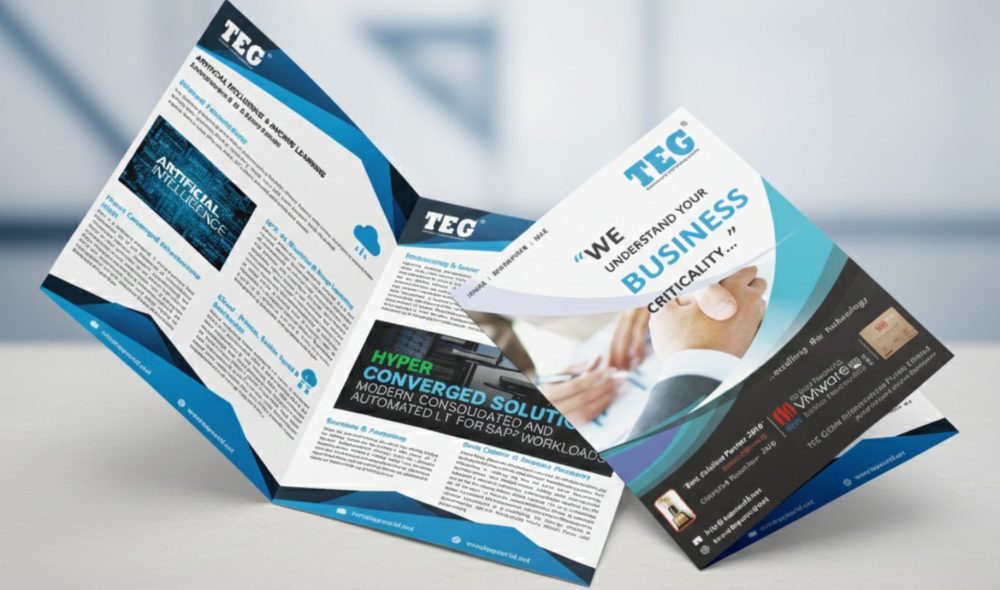
Brochures still carry a kind of power that digital ads cannot replace. A brochure sits in the hand, it stays on desks, it travels in bags, and it keeps reminding people about a business. That is why Brochure Printing is not just a simple production step. It is a reflection of how serious a company is about its image. When the print feels weak, the brand feels weak. When the brochure feels solid, customers feel confidence without even realizing it.
High-quality Brochure Printing follows real standards. These standards are not fancy rules made to sound technical. They are practical things that affect durability, color, clarity, and emotional impact. Let us walk through them in a simple and honest way.
Paper Standards That Define Professional Quality
Paper is the first thing people notice. Before reading a single word, fingers judge the brochure. Good Brochure Printing always begins with selecting the correct paper stock.
Weight and Thickness
The weight of paper changes everything. Thin paper bends easily and looks disposable. Thick paper gives off a sense of quality and sturdiness. Medium to heavy stock is the most recommended by professional printers because they are an excellent compromise between cost and durability. Using the right thickness for your brochure will ensure against tearing and curling when being handled.
Surface Finish
The paper finish of a brochure affects not only how it looks but also how it feels when touched. Businesses typically select either:
- High Gloss finish for bright vivid colours and shiny finish
- Low Gloss finish for a soft more elegant looking finish
- Soft touch or Silk finish for a premium looking finish
The finish must match the brand personality. Strong Brochure decisions always connect material choice with marketing intent.
Color Accuracy and Printing Precision
Color is emotion. A wrong shade can quietly damage brand trust. Professional Brochure Printing depends heavily on color calibration and machine consistency.
Controlled Color Printing Process
Color Printing is not just about brightness. It is about accuracy. Professional printers use calibrated profiles so every brochure looks the same. Skin tones stay natural. Logos stay correct. Background gradients remain smooth. This level of control separates professional work from amateur work.
Proofing Before Mass Production
A printed proof acts as a stop check. It allows businesses to inspect real output before thousands of copies are produced. High-end Brochure Printing never skips proofing because fixing mistakes later costs more money and reputation.
Image Clarity and Text Sharpness
A brochure is viewed up close. Every detail matters. Clean typography and high-resolution images are core standards in Brochure Printing.
Resolution Requirements
Professional files must meet print resolution standards. Low resolution artwork causes blurry edges and pixelated photos. Good printers review files and correct technical issues before production begins.
Alignment and Margins
Text alignment, trim safety, and bleed margins must be precise. Even a few millimeters off can make a brochure look careless. Consistent Brochure Printing ensures that each copy is centered and balanced.
Read more : What’s the Difference Between Flyer Printing and Brochure Printing?
Folding, Cutting, and Finishing Standards
Mechanical finishing defines how polished a brochure feels. Customers may not describe these details, but they feel them instantly.
Precision Folding
Folds must align perfectly. Crooked folds create visual tension and make brochures hard to read. Professional machines guarantee accurate folding across the entire print run.
Protective Coatings
Finishing coatings will help preserve the brochures from scratching or finger prints. Coating options include:
- Gloss coating for providing a durable and shiny finish
- Matte coatings for providing elegance
- Soft touch or Silk coatings for providing a premium feel
Contemporary coatings will result in the brochures having an extended life span and a greater perceived quality.
Consistency Across Large Print Runs
One beautiful brochure is meaningless if the next copy looks different. Reliable Brochure Printing focuses on repeatability.
Experienced Las Vegas Printing Services maintain machines carefully and perform constant checks during production. Consistency builds trust because reorders months later should match the original batch exactly. This reliability is a real professional standard.
Human Experience and Emotional Impact
Printing is technical, but brochures are emotional. A good brochure should feel inviting. It should open smoothly and sit comfortably in the hand. High-level Brochure Printing considers how a human interacts with the material, not just how machines produce it.
I always believe a brochure should create a quiet moment of attention. When paper texture, color, and structure work together, people slow down and actually read. That moment is marketing gold.
FAQs
1. What paper type is best for Brochure Printing?
Medium to heavy coated paper is common for marketing brochures because it balances strength and color vibrancy. The best option depends on brand tone and budget.
2. Why is Color Printing consistency important?
Color consistency protects brand identity. If logos shift in shade, customers lose visual trust. Professional Color Printing keeps every copy uniform.
3. Can low-quality printing affect customer perception?
Yes. Weak Brochure Printing can make a strong business look careless. Customers often judge quality subconsciously through printed materials.
4. How do Las Vegas Printing Services maintain standards?
Top Las Vegas Printing Services use calibrated machines, proofing systems, and strict quality checks during production to prevent variation.
5. Should I always request a printed proof?
Yes. A proof lets you verify colors, alignment, and paper before mass production. It reduces risk and protects investment.
6. How long should a high-quality brochure last?
With proper Brochure Printing and coating, brochures should resist fading and tearing for months under normal handling.
Conclusion
High-quality brochures are built through discipline, not luck. Paper choice, color control, finishing precision, and consistency all define professional Brochure Printing. When these standards are respected, the brochure becomes more than marketing. It becomes a physical extension of the brand. People trust what feels solid in their hands. And that quiet trust often decides whether they remember your business or forget it.